Gleason Insurance Brokers

General Liability · Workers' Comp · Commercial Auto · Pollution Insurance · Surety Bonds Start a Business Insurance Quote Today

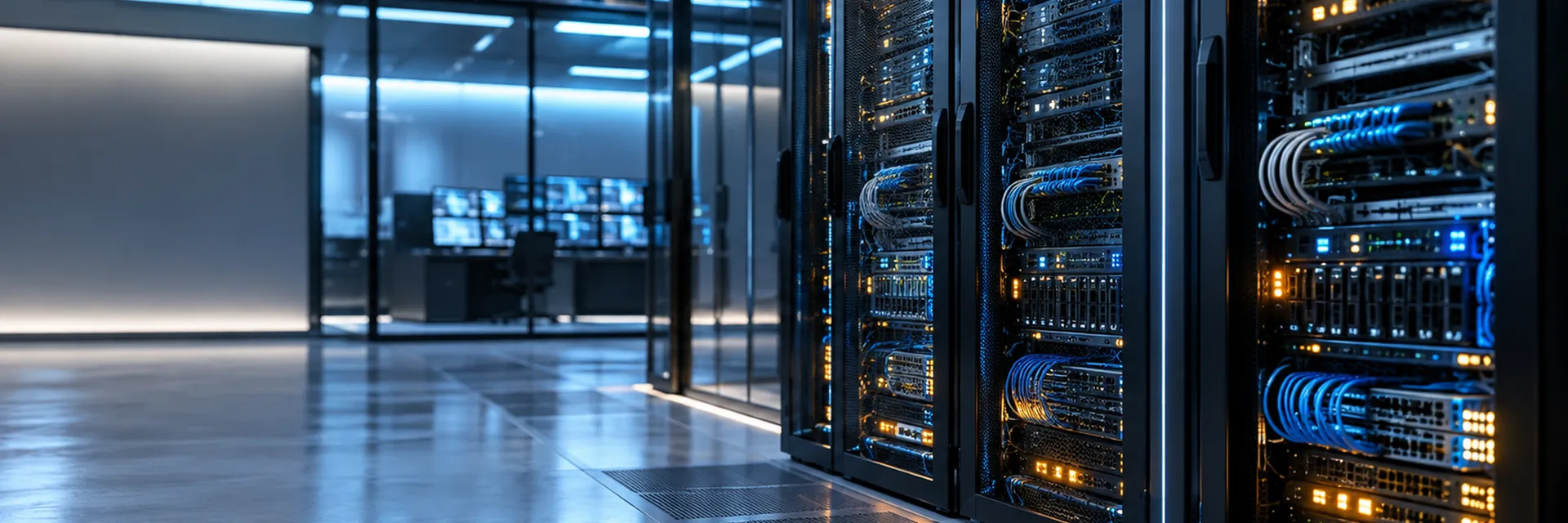
A data center aisle at night, locked server racks with status lights and bundled network cabling, an operations room behind glass — transportation and logistics cyber liability

California commercial insurance

Transportation & Logistics Cyber Insurance CA

844-97-USAVE

Transportation businesses increasingly depend on dispatch platforms, telematics, ELD systems and cloud accounting. A cyber incident can interrupt the physical movement of freight even though the attack occurs entirely in a digital system.

  • Dispatch Outage
  • Ransomware
  • Telematics Vendor Incidents

Reviewed by David Gleason, Principal — October 12, 2026

Next Level Experience. Insurance Done Right.

CaliforniaGeneral information only, not legal advice — illustrative scenarios and coverage, subject to change without notice. Content may be out of date or contain errors, and requirements vary by city, county, state, agency, project, contract, carrier and policy, among other factors; verifying what applies to your own situation is your responsibility. Full disclaimer

Interactive coverage guide

Build a coverage stack around how the business actually operates.

Start with the preselected industry or trade, then adjust the operational questions. The commonly considered stack updates live. Keep the coverages you want GIB to evaluate, remove ones you do not want included in your quote request, and add other available lines before continuing.

Common Starting Coverages

Commercial AutoBusiness vehicles, drivers and physical damage

What it is

Commercial Auto may address liability arising from covered business vehicles and, when selected, physical damage and other vehicle-related coverages.

Why businesses like yours commonly carry it

Businesses that own or regularly use vehicles may need a policy structured around business use, drivers and vehicle schedules.

Possible coverage gap

Personal auto policies may restrict or exclude business use, and General Liability is generally not a substitute for auto liability.

Learn more about Commercial Auto
Cyber Liability & Data BreachCyber events, data and system interruption

What it is

Cyber insurance may address certain first-party and third-party losses from covered data breaches, cyberattacks, ransomware and system interruption, depending on the policy.

Why businesses like yours commonly carry it

Carriers depend on dispatch, ELD, load-board and fuel-card systems, and an outage or a hijacked account can stop revenue quickly.

Possible coverage gap

General Liability generally should not be assumed to address data breach response, ransomware or network interruption.

Learn more about what cyber insurance costs in California

Commonly Added Based on Operations

Motor Truck CargoCustomers' freight while in transit

What it is

Motor Truck Cargo may address covered loss or damage to property transported for others, subject to commodities, limits and exclusions.

Why businesses like yours commonly carry it

Motor carriers may be contractually responsible for customers' cargo while it is in their care, custody or control.

Possible coverage gap

Commercial Auto liability does not automatically insure customers' cargo against physical loss.

Learn more about Motor Truck Cargo
Commercial Crime / FidelityEmployee theft and certain fraud losses

What it is

Commercial Crime may address certain covered theft, fraud and funds-transfer losses, depending on the selected insuring agreements.

Why businesses like yours commonly carry it

Businesses handling money, inventory, payments or account access commonly consider crime coverage.

Possible coverage gap

Property and cyber policies do not necessarily cover every employee theft or social-engineering loss.

Learn more about Commercial Crime / Fidelity

Exposure-Dependent Coverages

General LiabilityThird-party injury and property damage

What it is

General Liability commonly addresses covered third-party bodily injury, property damage and certain personal or advertising injury claims, subject to the policy.

Why businesses like yours commonly carry it

Businesses commonly use it as a starting liability policy and to satisfy customer, landlord or contract requirements.

Possible coverage gap

General Liability is not intended to replace policies for employee injuries, business vehicles, owned property, cyber events or professional errors.

Learn more about General Liability
Umbrella / Excess LiabilityAdditional limits above scheduled liability policies

What it is

Umbrella or Excess Liability may provide additional limits above identified underlying liability policies, subject to its own terms and exclusions.

Why businesses like yours commonly carry it

Businesses with larger contracts, vehicles, public exposure or higher severity potential commonly consider additional limits.

Possible coverage gap

An umbrella does not automatically broaden every exclusion or sit over every policy unless the issued terms say it does.

Learn more about Umbrella / Excess Liability

Loading quote and requirements options…

Educational guidance only. Results are not a coverage recommendation, quote, binder, policy interpretation, or guarantee of coverage. Actual needs, availability, forms, limits, exclusions and requirements vary. A licensed insurance professional should review the complete risk and issued policy terms.

Verified Google reviews

What our cyber insurance clients say about us

5.0 / 5from 7 Google reviews

Reviews reflect individual client experiences and are not a guarantee of coverage, pricing or results.

91 Enterprise LLC

91 Enterprise LLC

March 24, 2026

We are using Gleason insurance for our commercial auto policy and GL policy. David is the best insurance broker I've worked with — very honest, responsive, and knowledgeable. Highly recommend.

Fito Plumbers

Fito Plumbers

February 20, 2026

We have been working with David at Gleason Insurance Brokers for 8+ years. David always goes above and beyond to make sure we have the appropriate coverages. He explains everything in detail and makes sure we feel confident and understand all of our policies. He is always available and responds right away!

Barry Stay

Barry Stay

February 17, 2026

David provides great service and I highly recommend him for your insurance needs.

Why Trucking Companies and Fleets Are Being Hit

California fleets and logistics companies should look at cyber insurance through an operational lens. If dispatchers can't see loads, drivers can't receive instructions, billing stops or customer systems are unavailable, downtime becomes an immediate revenue problem, not just an IT ticket. Cybersecurity controls get weighed against how long the operation can run manually: a fleet that can dispatch on paper for a day is a different risk from one that cannot.

Commercial fleets may rely on ELD, GPS, maintenance and telematics providers, and a cyber incident at a third-party platform can affect dispatch and compliance workflows even when the carrier's own systems are never touched.

A dispatch outage becomes an immediate revenue problem, not just an IT issue
Telematics and ELD vendor incidents can disrupt dispatch without touching the fleet
Digital-only attacks can stop the physical movement of freight
Cyber is a separate but increasingly interconnected exposure alongside auto and cargo

What a Fleet Cyber Policy Can Pay For

A ransomware event affecting the transportation management system can stop load assignment, routing and billing all at once. Network business interruption should be evaluated around actual daily revenue and how long the fleet can realistically operate manually.

Fleets may hold driver-license information, payroll records, motor vehicle records and banking data. A breach can require investigation and notification and may create employee privacy claims separate from any cargo or auto exposure.

TMS ransomware can stop load assignment, routing and billing simultaneously
Business interruption should reflect real daily revenue, not office expenses
Driver and payroll data create privacy exposure separate from cargo/auto risk
Investigation and notification costs apply regardless of physical asset damage

Parked Trucks, Driver Records and Customer Claims

A carrier's cyber loss often shows up as trucks that can run but cannot be dispatched. When ransomware or a provider outage takes down the transportation management system, loads go untendered, invoices stop and drivers sit. A cyber policy's business-interruption coverage, and dependent-system coverage for an outage at a covered vendor, address that lost income after a waiting period.

Driver files are the privacy side: licenses, payroll and bank details, and employment records create notice duties if exposed. Customers who lose a shipment window may also claim their own losses. The TSA publishes a free surface-transportation cybersecurity toolkit for operators with fewer than 1,000 employees, and the American Trucking Associations' Fleet CyWatch lets member carriers report incidents and receive threat alerts.

Lost dispatch and billing time is the core first-party loss
Dependent-system coverage can address a vendor outage
Driver records create notice duties if exposed
Free TSA toolkit for operators under 1,000 employees

Where Fleet Exposure Lives: Dispatch, ELDs and Fuel Cards

Attackers can use compromised credentials, fake carrier identities or stolen load-board access to redirect freight. Not all cargo-theft events are cyber claims — motor truck cargo, crime, contingent cargo and cyber coverage should be coordinated based on the actual operation.

Transportation companies process fuel, repair, vendor and customer payments, and fraudulent invoices or bank changes can create direct financial loss. Social-engineering coverage should be compared with normal payment size and internal verification procedures.

Not every digitally enabled cargo theft is automatically a cyber claim
Coordinate motor truck cargo, crime, contingent cargo and cyber coverage together
Fuel, repair and vendor payments are a direct fraud target
Compare social-engineering limits against normal payment size, not a round number

California Considerations for Motor Carriers

California fleets operate in a highly regulated environment, but cyber insurance is generally separate from traditional motor-carrier filings and auto requirements. The strongest business case for cyber is operational continuity, payment security and protection of driver and customer information.

As larger shippers add contractual cyber requirements for EDI and portal connections, California carriers should expect these requirements to keep expanding regardless of fleet size.

Cyber coverage is separate from motor-carrier filings and auto requirements
Operational continuity is the strongest business case for this coverage
Larger shippers are adding contractual cyber requirements for EDI/portal access
Expect these contractual requirements to keep expanding over time

An Illustrative Dispatch-System Lockout

The fleet loses access to its TMS during dispatch ransomware and must manually coordinate loads while systems are restored — a scenario where every hour of downtime is a direct revenue loss.

In a separate pattern, accounts payable sends a large payment after receiving false fuel-vendor bank-change instructions, a fraud that exploits the routine, recurring nature of fuel and repair payments.

This example is illustrative, not a report of an actual case or a promise of how any real claim would resolve — real outcomes depend on the specific policy, the facts involved, and the carrier's own review. For a situation that's actually happened or is happening, talk to your broker, a licensed attorney, or the relevant regulatory authority directly.

TMS ransomware forces manual load coordination at direct revenue cost
Fuel-vendor impersonation exploits routine, recurring payment relationships
Stolen load-board credentials can facilitate fraudulent freight activity
This is illustrative — real claims depend on the actual policy and facts

Preparing a Transportation Cyber Submission

Prepare annual revenue, fleet size, number of drivers, TMS and ELD platforms, customer concentration, load-board use, MFA, mobile-device management and prior cyber or fraud events.

We place cyber for California motor carriers and fleets and coordinate it with cargo and crime coverage so a fictitious-pickup or payment-fraud loss is not assumed to sit in the wrong policy. Call 844-978-7283 or request a quote with Cyber Liability selected.

If you are weighing the premium, what cyber insurance costs explains the factors.

Document fleet size, driver count and TMS/ELD platforms in use
Describe MFA, mobile-device management and vendor dependency
Disclose prior cyber or fraud events and load-board use
Start with a call to 844-978-7283, or send a quote request

Frequently asked questions

9 questions — start typing to filter

Why does a trucking company need cyber insurance?

Because dispatch, billing, ELD, telematics and customer communication increasingly depend on networked systems — a cyber event can stop revenue even when every truck is physically operable.

Does cyber insurance cover cargo theft?

Not automatically. Cargo theft may implicate motor truck cargo, crime or other policies — cyber may be relevant when the loss involves covered computer fraud or network compromise.

Can a TMS outage be covered?

Potentially under network or dependent-business-interruption coverage if the outage and provider meet the policy definitions.

Does cyber cover ELD or telematics failures?

It depends on the cause and policy wording — ordinary equipment failure may not be covered, while a covered cyber event affecting a provider may trigger dependent-system coverage.

What driver information creates privacy exposure?

Driver licenses, payroll, banking information, MVR-related data and other personal records can create breach-response obligations when compromised.

What cyber controls matter for fleets?

MFA, email security, endpoint protection, mobile-device controls, backups, payment verification and restricted administrative access are commonly important.

Should a fleet buy crime insurance too?

It may be valuable for employee theft, computer fraud and funds-transfer exposures — crime and cyber should be coordinated rather than assumed to overlap perfectly.

How should a fleet choose a cyber business-interruption limit?

Estimate daily or weekly revenue, continuing expenses, manual operating capacity and the time needed to restore dispatch, billing and customer systems.

How does this differ from a freight broker's cyber exposure?

A broker's exposure centers more on load-board credentials and carrier-payment fraud than fleet operations. See Freight Broker Cyber Insurance for that specific profile.

Official resources

Verify current licensing, regulatory and program requirements directly with the responsible agency — this is general information, not legal advice, requirements change without notice, and what is summarized here may be out of date or contain errors. Confirming what applies to your own city, project, contract and policy is your responsibility.

Updated October 12, 2026