Gleason Insurance Brokers

General Liability · Workers' Comp · Commercial Auto · Pollution Insurance · Surety Bonds Start a Business Insurance Quote Today

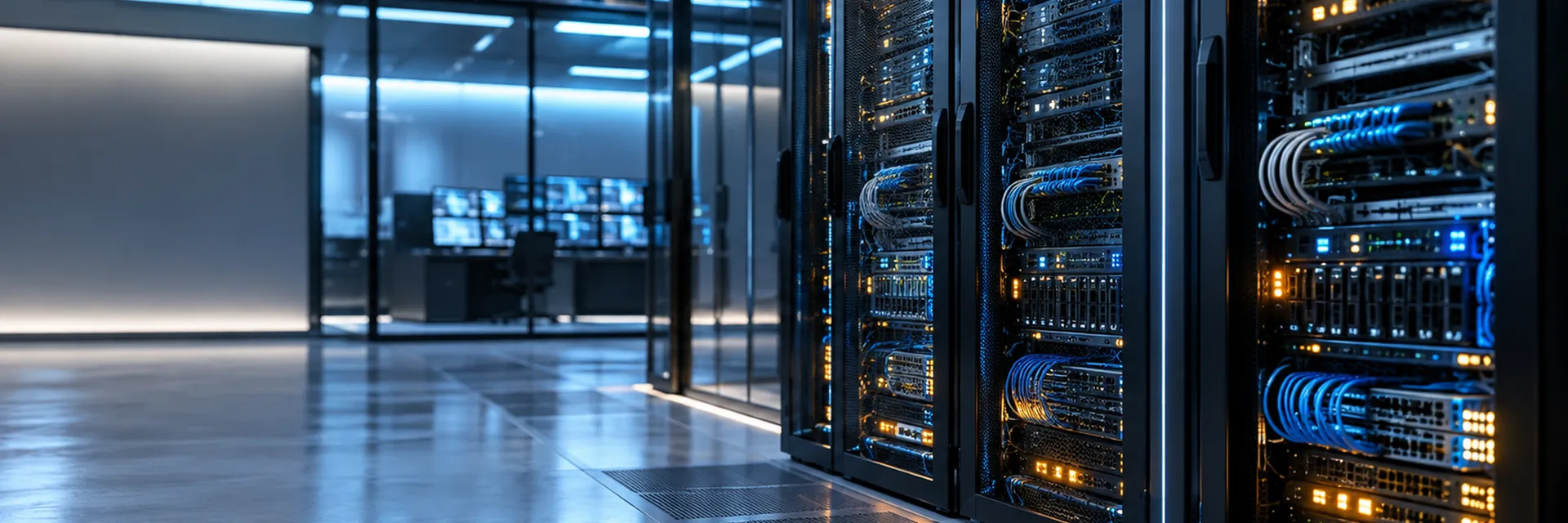
A data center aisle at night, locked server racks with status lights and bundled network cabling, an operations room behind glass — technology and SaaS cyber liability

California commercial insurance

Technology & SaaS Cyber Insurance CA

844-97-USAVE

A technology company can suffer two different cyber problems from the same incident: its own systems can go down, and its customers can allege the product or service caused them loss. SaaS, software and cloud businesses need a more technical insurance review than a standard "data breach" conversation.

  • Outage & Revenue Loss
  • Cyber & Tech E&O
  • Customer Claims

Reviewed by David Gleason, Principal — October 12, 2026

Next Level Experience. Insurance Done Right.

CaliforniaGeneral information only, not legal advice — illustrative scenarios and coverage, subject to change without notice. Content may be out of date or contain errors, and requirements vary by city, county, state, agency, project, contract, carrier and policy, among other factors; verifying what applies to your own situation is your responsibility. Full disclaimer

Interactive coverage guide

Build a coverage stack around how the business actually operates.

Start with the preselected industry or trade, then adjust the operational questions. The commonly considered stack updates live. Keep the coverages you want GIB to evaluate, remove ones you do not want included in your quote request, and add other available lines before continuing.

Common Starting Coverages

Professional Liability / E&OErrors in professional services or advice

What it is

Professional Liability may address covered claims alleging errors, omissions or failures in professional services.

Why businesses like yours commonly carry it

Technology and IT firms may face claims alleging service failure, implementation errors or missed contractual obligations.

Possible coverage gap

General Liability is generally not intended to replace coverage for economic loss arising from professional errors.

Learn more about Professional Liability / E&O
Cyber Liability & Data BreachCyber events, data and system interruption

What it is

Cyber insurance may address certain first-party and third-party losses from covered data breaches, cyberattacks, ransomware and system interruption, depending on the policy.

Why businesses like yours commonly carry it

Technology firms' operations and contractual obligations often depend directly on systems, data and service availability.

Possible coverage gap

General Liability generally should not be assumed to address data breach response, ransomware or network interruption.

Learn more about what cyber insurance costs in California

Commonly Added Based on Operations

General LiabilityThird-party injury and property damage

What it is

General Liability commonly addresses covered third-party bodily injury, property damage and certain personal or advertising injury claims, subject to the policy.

Why businesses like yours commonly carry it

Businesses commonly use it as a starting liability policy and to satisfy customer, landlord or contract requirements.

Possible coverage gap

General Liability is not intended to replace policies for employee injuries, business vehicles, owned property, cyber events or professional errors.

Learn more about General Liability

Exposure-Dependent Coverages

Business Owners Policy / Commercial PackageLiability and property components evaluated together

What it is

A Business Owners Policy commonly combines liability and property coverages for eligible businesses. A Commercial Package Policy may combine multiple commercial coverage parts depending on the account and carrier.

Why businesses like yours commonly carry it

Businesses with premises, contents, inventory or other property exposures may ask GIB to evaluate whether liability and property components can be packaged where appropriate.

Possible coverage gap

Eligibility, included coverages and package structure vary by carrier. Commercial Property may also be written separately rather than as part of a package.

Learn more about Business Owners Policy / Commercial Package
Employment Practices LiabilityEmployment-related allegations

What it is

EPLI may address certain covered employment-related claims such as discrimination, harassment, retaliation or wrongful termination.

Why businesses like yours commonly carry it

Businesses with employees or managers commonly consider employment-practices protection as the workforce grows.

Possible coverage gap

Workers Compensation and General Liability generally do not replace employment-practices coverage.

Learn more about Employment Practices Liability
Umbrella / Excess LiabilityAdditional limits above scheduled liability policies

What it is

Umbrella or Excess Liability may provide additional limits above identified underlying liability policies, subject to its own terms and exclusions.

Why businesses like yours commonly carry it

Businesses with larger contracts, vehicles, public exposure or higher severity potential commonly consider additional limits.

Possible coverage gap

An umbrella does not automatically broaden every exclusion or sit over every policy unless the issued terms say it does.

Learn more about Umbrella / Excess Liability

Loading quote and requirements options…

Educational guidance only. Results are not a coverage recommendation, quote, binder, policy interpretation, or guarantee of coverage. Actual needs, availability, forms, limits, exclusions and requirements vary. A licensed insurance professional should review the complete risk and issued policy terms.

Verified Google reviews

What our cyber insurance clients say about us

5.0 / 5from 7 Google reviews

Reviews reflect individual client experiences and are not a guarantee of coverage, pricing or results.

91 Enterprise LLC

91 Enterprise LLC

March 24, 2026

We are using Gleason insurance for our commercial auto policy and GL policy. David is the best insurance broker I've worked with — very honest, responsive, and knowledgeable. Highly recommend.

Fito Plumbers

Fito Plumbers

February 20, 2026

We have been working with David at Gleason Insurance Brokers for 8+ years. David always goes above and beyond to make sure we have the appropriate coverages. He explains everything in detail and makes sure we feel confident and understand all of our policies. He is always available and responds right away!

Barry Stay

Barry Stay

February 17, 2026

David provides great service and I highly recommend him for your insurance needs.

Why Software and SaaS Companies Sit in the Crosshairs

California technology firms may store customer data, host business-critical applications, integrate with third-party APIs and promise uptime or security obligations in contracts. Cyber insurance can address many first-party and privacy exposures, but technology errors and omissions may be equally important when a customer alleges the product failed to perform. Cybersecurity maturity is underwritten directly in this class, with carriers asking about secure development practice, dependency management and how quickly a vulnerability can be patched across every customer at once.

A SaaS platform can lose revenue quickly if customers can't log in or use the service, which is why network business interruption deserves the same scrutiny as privacy coverage on a technology risk.

A single incident can create both a first-party outage and a customer claim
Cyber and Tech E&O address different triggers and both often matter
Uptime and security promises in customer contracts expand real exposure
Revenue loss from an outage can happen faster than a privacy claim develops

What a Technology Cyber Policy Typically Includes

Network business interruption should be reviewed for waiting period, restoration period, system-failure triggers and calculation of lost income — some forms distinguish malicious attacks from accidental outages, which matters for a SaaS company's actual risk profile.

A customer alleging that software failed, produced incorrect results or caused downtime may present a technology E&O claim rather than a cyber claim. An integrated Tech E&O/cyber program can reduce disputes over which policy responds.

Waiting period, restoration period and loss calculation drive real BI value
Some forms distinguish malicious attacks from accidental system failures
A software-performance claim may be Tech E&O, not cyber, or both
An integrated Tech E&O/cyber program reduces disputes over which policy responds

Your Outage, Your Customers' Losses and Tech E&O

A software company's incident usually produces two bills. Its own: forensic investigation, restoring the platform, notifying users whose data was exposed, and the recurring revenue lost while the service is down or customers churn afterward. Then its customers': businesses that relied on the platform may claim their own losses, which is where the line between cyber liability and technology errors and omissions matters, since a customer can allege the product failed without any breach at all.

Contracts set much of that second exposure. Enterprise agreements often require both cyber and Tech E&O by name with stated limits, promise uptime with service credits, and allocate indemnity for data incidents. Service credits and contractual penalties are frequently treated differently from covered damages, so the agreements and the policy should be read together before a renewal rather than after an outage.

Own losses: forensics, restoration, user notice and lost recurring revenue
Customer claims can arise with or without a breach
Cyber and Tech E&O answer different allegations
Service credits and penalties may sit outside covered damages

Where SaaS Exposure Builds: Cloud, Code and Contracts

Many technology companies build on AWS, Azure, Google Cloud, identity providers or payment processors. If a provider suffers a covered outage, the insured may lose revenue even though its own network was never breached — dependent business interruption wording is a major negotiation point.

Modern products also depend on open-source packages, libraries and vendors. A vulnerability in a third-party component can affect many customers at once, and policies vary in how they treat systemic events and aggregation.

A cloud-provider outage can cost revenue with the insured's own network intact
Dependent-business-interruption wording is a real negotiation point, not boilerplate
Open-source and third-party components can create shared, systemic exposure
Systemic-event exclusions matter more to SaaS than to most other industries

California Considerations for Software Companies

California technology companies frequently operate across many states and countries, so a California-only privacy analysis may be incomplete. California's privacy and breach-notification rules remain an important baseline for companies handling California resident information.

Contractual requirements from enterprise customers may impose faster notice or broader responsibilities than the statute itself — the insurance placement should be compared against actual customer contracts, not assumed to match them.

Multi-state operations mean a California-only privacy review is often incomplete
California rules remain a baseline for California resident information
Enterprise contracts can require faster notice than the statute alone
Compare the actual placement against contract language, not assumptions

An Illustrative Platform Breach at a SaaS Company

Attackers compromise privileged credentials and disrupt production, causing several days of customer-facing downtime — a scenario that tests both the extortion response and the business-interruption calculation together.

In a separate pattern, a misconfiguration exposes customer records, leading to breach-response expenses and claims alleging inadequate security — here the dispute may implicate Tech E&O as much as traditional cyber liability.

This example is illustrative, not a report of an actual case or a promise of how any real claim would resolve — real outcomes depend on the specific policy, the facts involved, and the carrier's own review. For a situation that's actually happened or is happening, talk to your broker, a licensed attorney, or the relevant regulatory authority directly.

Privileged-credential compromise can cause multi-day customer-facing downtime
A misconfiguration exposure blends breach-response cost with liability claims
Some disputes implicate Tech E&O more directly than traditional cyber liability
This is illustrative — real claims depend on the actual policy and facts

Preparing a Technology Cyber Submission

Prepare revenue by product, customer concentration, largest contracts, data types, cloud architecture, critical vendors, MFA, EDR, backups, patching and incident history — enterprise SaaS companies may also need to provide SOC reports.

We place technology cyber and Tech E&O for California software and SaaS companies, separately or on combined forms, and compare shared-limit tradeoffs before you choose. Call 844-978-7283 or request a quote with Cyber Liability selected.

For a broader look at how artificial intelligence is accelerating the threats behind these losses, see the AI cyber threat picture.

Document revenue by product, customer concentration and largest contracts
Describe cloud architecture, critical vendors and security certifications
Provide SOC reports if available for enterprise-facing products
Reach a broker on 844-978-7283, or request a quote

Frequently asked questions

10 questions — start typing to filter

What is cyber insurance for a software or SaaS company?

For a software company, cyber insurance covers your own incident — breach response, ransomware, data restoration and the revenue lost during an outage — while technology errors and omissions covers what a customer claims your product or service did to them. SaaS contracts frequently require both by name, with specific limits, so the contract is usually the place to start.

Do SaaS companies need both cyber insurance and Tech E&O?

Often they should evaluate both. Cyber can address privacy, network security and first-party incident costs, while Tech E&O can address customer claims alleging failure of the technology product or service.

Does cyber insurance cover an accidental outage?

Some policies may provide system-failure or nonmalicious business-interruption coverage, while others are narrower — the trigger must be reviewed in the actual form.

Can a cloud outage trigger cyber coverage?

Potentially, through dependent-business-interruption coverage if the provider and event meet policy definitions. Waiting periods and named-provider restrictions can matter.

Are contractual penalties covered?

Not automatically. Service credits, liquidated damages and contractual penalties may be excluded or treated differently from covered damages — review customer agreements with counsel and your broker.

How do systemic cyber exclusions affect SaaS companies?

They can restrict coverage for widespread events affecting shared infrastructure or commonly used software — aggregation risk is central to a SaaS business model, so this deserves close review.

Does a SOC 2 report reduce cyber premium?

It can help demonstrate security maturity, but it does not guarantee a lower rate. Underwriters consider many controls, loss history, revenue, industry and network architecture.

What should a SaaS company insure for business interruption?

Model recurring revenue, churn risk, contractual credits, remediation costs and the time required to restore service — the limit should reflect the actual economics of an outage.

Can one policy combine Tech E&O and cyber?

Yes, many markets offer combined forms. The advantage is coordinated coverage; the tradeoff may be shared limits or retentions, so the structure should be evaluated carefully.

How does this compare to an MSP's cyber exposure?

An MSP carries additional aggregation risk from privileged access to many client networks at once. See our MSP & IT Cyber Insurance page for that specific profile.

Official resources

Verify current licensing, regulatory and program requirements directly with the responsible agency — this is general information, not legal advice, requirements change without notice, and what is summarized here may be out of date or contain errors. Confirming what applies to your own city, project, contract and policy is your responsibility.

Updated October 12, 2026